
The Dress Destination
Shopify homepage, navigation and catalogue improvements connecting fashion imagery with clear product discovery.
Explore the projectBuild the acquisition system
01Website design SydneyStrategy / UX / Development02Shopify + ecommerceStores / Migration / CRO03SEOTechnical / Content / Authority04BrandingStrategy / Identity / Launch05Website project plannerScope / Range / BriefWhere we work
Sydney ↗Melbourne ↗Brisbane ↗Perth ↗Sutherland Shire ↗High-intent guides
Website design cost ↗Shopify website cost ↗SEO cost guide ↗Proof + thinking
Selected work ↗Insights ↗ Featured projectThe Dress DestinationView case study ↗
Not sure which service fits?
Tell us what you need to improve.Start a conversationSmall business websites / Sydney
Give customers a clear reason to choose your business. We plan focused websites around your services, real work and an easy way to call or enquire, with a scope your team can manage.
Selected website projects
See the brief, design approach and delivered experience across our ecommerce and marketplace work.
Shopify homepage, navigation and catalogue improvements connecting fashion imagery with clear product discovery.
Explore the project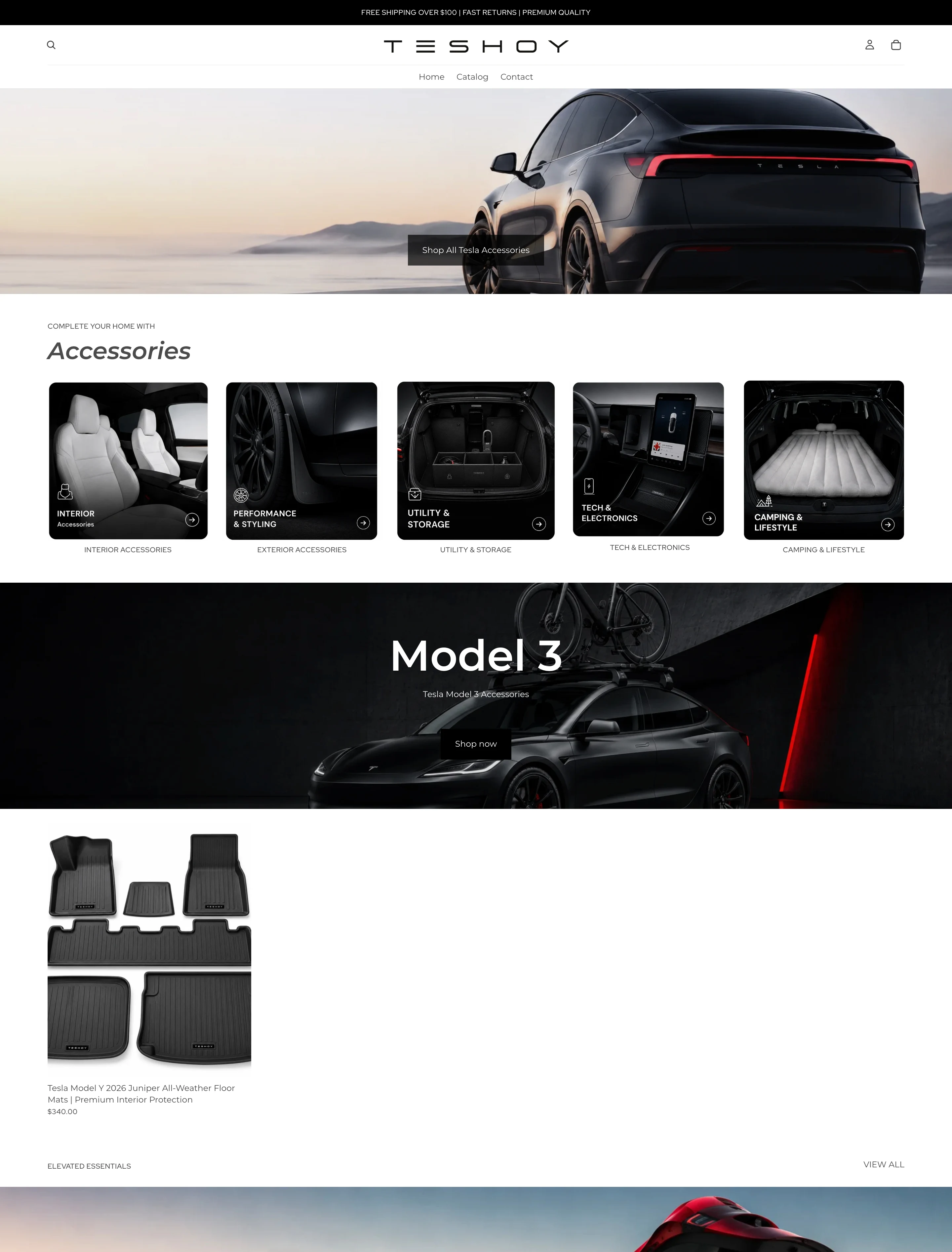
A focused Tesla accessories storefront combining responsive design, consistent imagery and clear product presentation.
Explore the project
A practical commerce system that makes a complex catalogue easier to understand, search and buy from.
Explore the projectBuilt around the outcome
A small business website does not need enterprise complexity. It does need clear positioning, useful service pages, proof, mobile performance and a dependable enquiry path. We keep scope disciplined without making the result feel generic.
Prioritise the services, audiences and locations that matter commercially.
Give each important service enough clarity to earn trust and search visibility.
Make calls, forms and key information easy to use on a phone.
Connect services, locations, business information and Google profile pathways.
Measure useful actions rather than relying on page views alone.
Know how to update content and where ongoing support begins.
The Simpli difference
A disciplined site can outperform a bloated one when every page has a clear job. Simpli focuses the budget on the decisions that affect trust, discoverability and enquiry quality.
View selected workVisitors understand the offer quickly.
Real work and reviews support the decision.
A direct route to call or enquire.
What delivery includes
The scope is agreed around the customer journey, content, platform requirements and commercial goal. You see the design early, understand what is included and know who owns each decision before development accelerates.
Confirm services, customers, geography and required actions.
Build the message and responsive experience together.
Test forms, tracking, search foundations and ownership.
Where this works best
The right platform and delivery model depend on how the website will be edited, marketed and extended. Simpli recommends the simplest architecture that can meet the requirement properly, with ownership and ongoing costs made clear.
Consultants and specialists selling expertise and trust.
Businesses competing for nearby, high-intent demand.
Businesses outgrowing a basic builder or dated website.
Compare your options
Your proposal should explain the page templates, content responsibilities, platform costs and launch checks. Review the wider website options and pricing guide before finalising the brief.
Google-reviewed
Independent Google reviews help prospective clients assess the experience behind the work—communication, delivery and the quality of the finished result.
Five published Google reviews support the client experience. Rating and count verified September 2026; check Google for the current total.
Pair the reviews with case studies showing the brief, approach and delivered work.
Only published client feedback and demonstrable project outcomes are used.
Straight answers
Useful questions answered without the agency fog.
A focused service website commonly takes six to ten weeks. Ecommerce, integrations, content production or complex migrations can extend the timeline. We confirm dependencies and milestones before work begins.
Ownership, accounts, code access, licences and ongoing costs are documented in the proposal. Simpli does not rely on hidden ownership or avoidable platform lock-in.
Every build includes sound technical and on-page foundations. Keyword research, large-scale copywriting, authority development and ongoing SEO are scoped separately so the deliverables are explicit.
Cost depends on content, design depth, integrations and migration risk. The project planner provides an indicative scope, followed by a fixed proposal once requirements are confirmed.